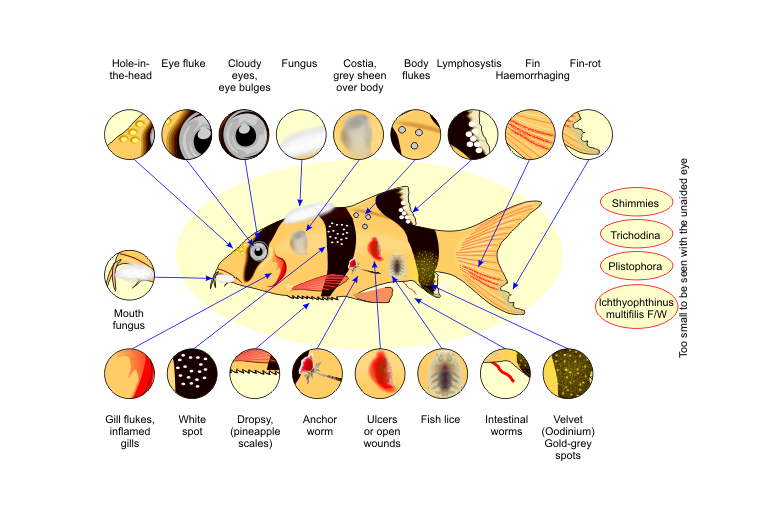
Fish diseases cost aquaculture farmers real money, and this guide walks you through the most common threats you’ll face in your operation. You’ll learn to identify specific symptoms of diseases like Ichthyophthirius multifiliis (Ich) and Aeromonas infections, understand which treatments work for each pathogen, and build practical fish health management protocols that catch problems before they spread. A single outbreak of Ichthyophthirius multifiliis (Ich) can cause significant mortality in your stock within days if not caught early. The difference between a minor setback and a major loss comes down to early detection and knowing exactly how to respond.
Why Disease Prevention Matters
Effective fish health management starts with water quality. Test ammonia, nitrite, and dissolved oxygen levels daily during critical periods like after stocking or temperature swings. Elevated ammonia levels stress fish and create conditions for bacterial infections. Most species show stress at ammonia concentrations above 0.5-1.0 mg/L, though tolerance varies by species. Keep dissolved oxygen above 5 mg/L for most species. Beyond water parameters, biosecurity matters just as much. Quarantine new stock for 14 days minimum before introducing them to your main population. Disinfect nets and equipment between ponds using a 200 ppm chlorine solution. Many farmers skip this step and pay for it when one infected batch spreads disease across their entire operation. Aquaculture disease management also means controlling stocking density. Overcrowding creates stress, increases waste loading, and allows pathogens to spread faster through direct contact. A well-designed prevention program costs a fraction of treating a full-blown outbreak, where you’re looking at medication expenses, lost growth, and often significant mortality.
Economic Impact of Fish Diseases in Aquaculture
Disease outbreaks can wipe out 30 to 80 percent of a fish farm’s stock in a matter of weeks, translating to losses that often exceed hundreds of thousands of dollars for medium-sized operations. A single outbreak of bacterial gill disease in a tilapia farm can kill 50 percent of fingerlings within 72 hours, destroying months of investment in feed, labor, and infrastructure before fish reach market size.
Treatment costs add up fast. Antibiotics and medicated feed can run $2,000 to $5,000 per treatment cycle for a modest operation, but the real expense comes from lost production time. When you lose a grow-out cycle to disease, you’re looking at 4 to 8 months of zero revenue while fixed costs like pond maintenance, electricity, and labor continue. Farms operating on thin margins, typically 10 to 15 percent profit, can’t absorb multiple disease events without going under.
Prevention costs a fraction of what you’ll spend managing an outbreak. Investing $500 monthly in biosecurity measures, water quality monitoring, and prophylactic treatments beats the alternative: emergency treatments, mass mortality, and damaged fish that fetch 40 to 60 percent less at market because of visible lesions or poor flesh quality. Buyers reject diseased stock outright, forcing farmers to sell at distressed prices or absorb total losses.
Key Signs of Sick Fish
Behavioral changes give you the earliest warning system for fish disease symptoms, often days before physical signs emerge. Watch for lethargy, erratic swimming, reduced appetite, and clamped fins. A normally active fish that suddenly drifts without purpose, refuses its regular feed, or bumps into tank walls needs immediate attention. These shifts are your first chance to intervene, and catching them early separates a treatable problem from a tank-wide outbreak. Discoloration on scales or skin signals advanced health problems, though subtle color changes can reveal stress or early-stage infection. Ichthyophthirius multifiliis (Ich), one of the most common parasitic infections in aquaculture, typically shows up first as behavioral changes before the characteristic white spots appear on the body.
Disease Diagnosis Methods
Start every disease investigation by watching your fish during feeding time. Healthy fish rush to the surface and compete aggressively for feed, while sick fish often hang near the bottom, swim erratically, or isolate themselves from the school. Check for visible signs like white spots (ich), frayed fins, cloudy eyes, bloated abdomens, or unusual mucus production. This simple observation costs you nothing and catches many common problems before they spread through your entire pond, giving you a head start on fish disease diagnosis without expensive lab work or equipment.
For parasites, you need a basic compound microscope (400x magnification minimum) and fresh gill or skin scrape samples. Mount the tissue in pond water on a slide and scan for moving parasites like Ichthyophthirius, Trichodina, or monogenean flukes. Most external parasites are identifiable within 10 minutes at the microscope. Bacterial infections require culture plates and 24 to 48 hours of incubation, followed by antibiotic sensitivity testing to determine which treatments actually work against your specific pathogen strain.
Viral diseases demand PCR testing at a certified laboratory, since viruses are invisible under standard microscopy. Spring viremia of carp, koi herpesvirus, and viral hemorrhagic septicemia all require molecular diagnostics for confirmation. PCR testing typically takes several days to a week, with costs varying by laboratory and pathogen tested. Contact local diagnostic laboratories for current pricing. For recurring mortality problems or unusual presentations, histopathology provides the definitive answer by examining preserved tissue under a microscope. Contact a fish health specialist when mortality exceeds 2% daily, when visual diagnosis is unclear, or before treating with expensive medications that might be ineffective.
Physical Signs
- White, red, or unusual spots on the skin or fins
- Frayed, decaying fins
- Cotton-like growths on the body or mouth
- Swollen abdomen or bulging eyes
- Ulcers or sores on the body
Behavioral Signs
- Gasping at the water surface
- Rubbing against objects (flashing)
- Lethargy or unusual swimming patterns
- Loss of appetite
- Erratic buoyancy (floating or sinking abnormally)
Most Common Fish Diseases
Common Parasitic Fish Diseases
Parasitic fish diseases rank among the costliest problems in aquaculture, capable of wiping out 30% or more of stock within days if left unchecked. External parasites like Ichthyophthirius multifiliis (the white spot pathogen) attach to skin and fins, creating the characteristic salt-grain appearance that gives the disease its name. Gill parasites, particularly Dactylogyrus flukes, compromise oxygen uptake and make fish gasp at the surface. Effective parasite control starts with quarantine protocols for new stock, a 14-day minimum isolation period that catches most infections before they reach your main tanks. For parasitic disease treatment, formalin baths at 150-250 ppm for 60 minutes work against many protozoans, while praziquantel addresses trematode infections at 5-10 mg/L as a prolonged bath. Water quality management matters more than most farmers realize. Parasites thrive in stressed fish, so maintaining dissolved oxygen above 5 mg/L and keeping ammonia below 0.02 mg/L cuts infection rates substantially. Regular monitoring catches outbreaks early. Check a sample of fish weekly for behavioral changes like flashing (rubbing against surfaces), excess mucus production, or the lethargy that signals advanced infestation.
- Maintain optimal water quality to reduce stress, which can make fish more susceptible to infections.
- Implement regular monitoring and quarantine procedures to detect early signs of infestation.
- Utilize anti-parasitic treatments, such as formalin baths or copper sulfate, under professional guidance.
Emerging Fish Diseases
Climate change and global trade are driving a surge in fish disease outbreaks across aquaculture operations. Water temperatures above optimal ranges weaken fish immune systems, making them susceptible to pathogens they would normally fight off. The water mold Saprolegnia has become a persistent problem in hatcheries, particularly during fingerling production when temperature fluctuations stress young fish. Bacterial diseases now pose an even greater threat. Columnaris disease, caused by Flavobacterium columnare, spreads rapidly in warm water above 25°C and can wipe out entire tanks within 48 to 72 hours if left untreated. Infectious Salmon Anaemia, a viral infection, continues to devastate salmon farms in multiple countries. These outbreaks don’t just kill fish. They force farmers to cull stock, halt production cycles, and absorb treatment costs that can exceed thousands of dollars per incident.
New pathogens continue to emerge in aquaculture systems, and *Pseudomonas aeruginosa* stands out as a particularly adaptable threat. This bacterium colonizes biofilms in tank walls, pipes, and filtration equipment, making it nearly impossible to eliminate once established. In densely stocked systems, it spreads rapidly through water contact and causes ulcerative skin lesions that progress to systemic infection within 48 to 72 hours. Effective pathogen management requires both prevention and rapid response. Install UV sterilization on incoming water, maintain stocking densities below 30 kg per cubic meter, and monitor fish daily for early lesion detection. When you spot an outbreak, immediate isolation of affected tanks and targeted antibiotic treatment (based on sensitivity testing) can cut mortality rates by 60 to 70 percent compared to delayed disease outbreak response. The key mistake farmers make is waiting for widespread mortality before acting, by which point the pathogen has already seeded multiple tanks through shared equipment or aerosol transfer.
- Increased global trade has facilitated the spread of pathogens like *Grouper iridovirus*, impacting both wild and farmed fish.
- The rise of *Gyrodactylus salaris*, a parasitic flatworm, poses a significant threat to salmon farms across Europe.
- Novel viral diseases such as the Betanodavirus are emerging, causing considerable losses in aquaculture, especially in marine species.
Common Viral Fish Diseases
Viral fish diseases spread fast through aquaculture systems and can wipe out entire populations before you’ve identified the problem. Infectious pancreatic necrosis (IPN) hits young salmonids hardest, causing their bellies to swell and gills to turn pale. Viral hemorrhagic septicemia (VHS) is less picky about its hosts. It infects dozens of species, causing internal bleeding and sluggish behavior that makes affected fish easy targets for predators. Koi herpesvirus (KHV) tears through koi and carp operations, creating patchy skin lesions and causing fish to swim erratically near the surface. Channel catfish virus becomes particularly dangerous when water temperatures climb above 25°C, attacking fingerlings and juveniles with hemorrhages at the fin bases and a distinctive corkscrew swimming pattern just before death.
Viral infections demand a different diagnostic approach than bacterial or parasitic problems. The behavioral signs (lethargy, erratic swimming, sudden die-offs) overlap with dozens of other conditions, so relying on them alone wastes time. Instead, watch for virus-specific indicators: hemorrhaging in the gills or internal organs, pale or swollen kidneys visible through the body wall in translucent species, and clustered mortality that jumps from 2% to 15% within 48 hours. When you see these patterns, send samples for PCR testing rather than guessing. Most farmers I know who’ve dealt with viral outbreaks say they lost an extra week by treating for the wrong pathogen first. That delay turns a containable problem in one tank into a facility-wide crisis.
Prevention is always better than cure. Implement rigorous biosecurity measures—quarantine new stock, use virus-free water sources, and maintain optimal water quality. Vaccination is available for certain viral diseases like IPN, offering an effective line of defense. In case of an outbreak, isolating affected fish and consulting with a veterinarian can help manage the situation and minimize losses.
Common Bacterial Fish Diseases
Bacterial fish diseases rank among the most common threats in aquaculture, draining profits from freshwater and marine operations alike. Take Aeromonas salmonicida, the pathogen behind furunculosis in salmonids. It creates boil-like lesions and internal hemorrhaging that can kill an entire year class within days if you catch it too late. Water temperature drives the spread. Between 10 and 15 degrees Celsius, the bacteria multiplies fast, which is why spring and fall hit trout and salmon farms hardest.
Columnaris disease, caused by Flavobacterium columnare, attacks the skin, gills, and mouth tissue with distinctive white or gray patches that look like cotton or saddle-shaped lesions. Warm water species face the highest risk when temperatures climb above 20 degrees Celsius. Streptococcus species have become a major concern in tilapia farming, causing meningoencephalitis and septicemia that manifest as erratic swimming, eye cloudiness, and sudden death. In marine systems, Vibrio species dominate the bacterial threat landscape, thriving in saltwater environments and causing vibriosis in everything from shrimp to grouper.
Daily observation catches problems before they spiral out of control. Check your stock every morning for behavioral red flags: fish hanging at the surface gulping air, lethargy near tank bottoms, or erratic swimming patterns. These signs typically appear 24 to 48 hours before visible lesions or fin damage show up. Run water quality tests immediately when you spot unusual behavior. For fish disease treatment, oxytetracycline and florfenicol are your workhorses, but you’ll need veterinary authorization and must follow local antibiotic regulations to the letter. Bath treatments handle external bacterial infections, while medicated feed reaches systemic problems inside the fish. Complete the full antibiotic course even after symptoms vanish. Stopping three days early because the fish look healthy breeds resistant bacterial strains that can wipe out future crops.
Antibiotic Resistance and Responsible Treatment
Antibiotic resistance has become a critical issue in aquaculture, with resistant bacterial strains appearing in farms across Southeast Asia, Europe, and the Americas. Overuse of oxytetracycline and florfenicol in particular has led to treatment failures that cost farmers thousands of dollars per production cycle. The problem stems from misdiagnosis, underdosing to save money, and skipping withdrawal periods before harvest. Proper antibiotic protocols require accurate bacterial identification through lab testing, calculating dosages based on actual fish biomass, and following minimum withdrawal periods (typically 21 to 42 days depending on the drug and species).
Regulatory frameworks vary dramatically by region. The European Union maintains a strict list of approved antibiotics for aquaculture and requires veterinary prescriptions, while some Asian countries still allow over-the-counter sales. The United States requires FDA approval for each species and disease combination, which is why only a handful of antibiotics are legally available for fish farmers. Many operations now face audits from export markets demanding proof of responsible antibiotic use.
Alternatives to antibiotics have proven effective in reducing disease pressure. Probiotics like Bacillus subtilis can colonize fish intestines and outcompete pathogenic bacteria. Beta-glucan immunostimulants boost natural immune responses when added to feed at 0.1 to 0.2% of diet weight. Commercial vaccines now exist for major diseases like vibriosis, furunculosis, and viral hemorrhagic septicemia. A Norwegian salmon farm that switched to a vaccine-based health program reduced antibiotic use by 95% while maintaining survival rates above 92%.
1. White Spot Disease (Ich)
White spot disease is caused by the parasite Ichthyophthirius multifiliis and is highly contagious. It appears as small, white, pinhead-sized spots on the fish’s skin and fins, resembling sprinkled salt.
Treatment:
Salt treatment works as a first-line defense for mild ich outbreaks. Dissolve non-iodized salt at 1 to 3 grams per liter (roughly 0.1% to 0.3% salinity) and maintain this level for 5 to 7 days. The salt disrupts the osmotic balance of the parasite without harming most freshwater fish, though scaleless species like catfish require lower concentrations around 1 gram per liter.
Formalin treatment tackles moderate to severe white spot disease infections more aggressively. Apply 15 to 25 ppm (parts per million) as a prolonged bath for 12 to 24 hours, or use 100 to 250 ppm for a short dip lasting 30 to 60 minutes. Monitor oxygen levels closely during formalin treatment since it depletes dissolved oxygen rapidly. Many farmers lose fish to suffocation rather than the chemical itself.
Raise water temperature to 28 to 30 degrees Celsius if your species can tolerate it. Higher temperatures speed up the parasite’s life cycle, forcing it into the free-swimming stage where treatments actually work. The ich parasite remains invulnerable while encysted under the fish’s skin, which is why timing matters more than dosage.
Combine methods for stubborn cases. Run salt at 1 gram per liter while applying formalin at the lower end of the dosage range. This dual approach hits the parasite from two angles without pushing toxicity levels too high. Replace 30% of the water between treatments to prevent chemical buildup.
- Gradually increase water temperature to 29°C over 24 hours to accelerate the parasite’s life cycle
- Use a specific white spot cure medication
- Remove carbon from filters during treatment
- Treat the entire tank for the recommended duration
2. Fin Rot
Fin rot, one of the most common bacterial infections in aquaculture, causes fins to fray and decay from the edges inward. You’ll notice the fin margins turning white or translucent while the base becomes inflamed and red. Left untreated, the infection progresses toward the body, destroying fin tissue entirely and potentially spreading to other fish in your system.
Treatment:
Start with water quality improvement before reaching for medications. Test ammonia, nitrite, and pH levels immediately, then perform a 30 to 50 percent water change if readings show any elevation. Poor water conditions cause most fin rot cases, and fixing the environment alone often stops mild infections within five to seven days.
For moderate to severe fin rot treatment, combine water changes with salt baths at 1 to 3 grams per liter for 10 to 15 minutes daily. This works for freshwater species and controls secondary bacterial infections without the cost or resistance risks of antibiotics. Remove any sharp decorations or aggressive tank mates that might have caused the initial injury.
Antibiotic treatment becomes necessary when fin tissue shows rapid deterioration or white, fuzzy edges that indicate columnaris bacteria. Oxytetracycline at 50 to 75 milligrams per kilogram of feed for 10 days treats systemic infections in food fish. For ornamental species in display tanks, a bath treatment with nitrofurazone or kanamycin following label directions targets the infection directly. Isolate affected fish during treatment to prevent disease spread and reduce the total antibiotic load in your system.
- Check water quality and perform a 25% water change
- Treat with antibacterial medications like Furan 2 or Melafix
- Remove carbon from filters during treatment
3. Fungal Infections (Saprolegniasis)
Fungal infections appear as white, cotton-wool-like growths on the skin, mouth, fins, or gills. These infections usually occur as secondary problems when fish are already stressed or injured.
Treatment:
- Treat the underlying cause or injury
- Perform a 30-50% water change
- Use aquarium salt if fish tolerate it
- Apply anti-fungal medication or methylene blue
4. Dropsy (Infectious Dropsy)
Dropsy is a serious bacterial infection characterized by a swollen abdomen, protruding scales (pinecone appearance), and listless behavior. The condition is often fatal.
Treatment:
- Quarantine affected fish immediately
- Maintain excellent water quality
- Avoid overcrowding and feed high-quality food
- Treatment is difficult; antibiotics may be attempted but often unsuccessful
5. Velvet Disease
Velvet is caused by parasitic dinoflagellates and appears as a fine, yellowish-to-gold dust on the fish’s skin, particularly on the fins and gills.
Treatment:
- For tropical fish: raise temperature to 29°C and turn off lights
- Perform a 30-50% water change
- Use aquarium salt with caution
- Treat with Acriflavine medication
6. Ammonia Poisoning
Though not a disease, ammonia poisoning is common in poorly maintained systems. Fish may gasp at the surface with red or inflamed gills.
Treatment:
- Test water for ammonia and pH
- Perform a 30-50% water change
- Clean gravel with a siphon
- Avoid overfeeding and overcrowding
7. Ulcers
Ulcers appear as reddened sores on the fish’s body, most commonly affecting cold-water fish like goldfish .
Treatment:
- Check water conditions and perform water change
- Quarantine affected fish
- Treat with Melafix
- Use different nets to avoid contamination
8. Swim Bladder Disorder
Affected fish swim erratically, have difficulty staying upright, or float to the surface. The condition often results from constipation or air gulping .
Treatment:
- Check water chemistry and perform 25% water change
- Withhold food for up to 48 hours
- Feed thawed, skinned peas as a natural laxative
- Reduce water level to half if fish sit at the bottom
9. Cotton Mouth
This bacterial infection causes white or greyish spots around the fish’s head and mouth, sometimes turning yellowish with red edges .
Treatment:
- Perform a 30-50% water change
- Use aquarium salt if fish tolerate it
- Treat with Furan 2, Melafix, or vet-prescribed antibiotics
10. Slime Disease
This parasitic disease causes excessive mucus production, giving the fish a greyish-white slimy appearance .
Treatment:
- Check water pH and perform 30-50% water change
- Remove activated carbon before treatment
- Use Furan 2 or Melafix
- Maintain healthy water conditions to prevent recurrence
Disease Prevention Strategies
Water quality monitoring forms the foundation of disease prevention strategies in any aquaculture operation. Check temperature, pH, and dissolved oxygen every morning before you feed. Most species handle pH between 6.5 and 8.5, but a sudden swing of more than 0.5 units in 24 hours will stress your fish no matter where they started. Keep dissolved oxygen at 95% saturation or higher throughout the entire day cycle.
Quarantine new stock for at least 14 days in a separate system with dedicated nets and equipment. Watch for behavioral changes during this period. Erratic swimming or reduced feeding typically show up three to five days before you see physical disease signs. Run a prophylactic formalin bath at 150 to 250 ppm for one hour when fish arrive, then repeat on day seven if they show no stress.
Breaking pathogen transmission cycles is how disease control in aquaculture actually works. Pull dead fish within two hours because they turn into bacterial incubators fast. Clean your biofilters weekly, on schedule, not when you finally remember. Disinfect nets and handling equipment between ponds using 200 ppm chlorine solution for 30 minutes or quaternary ammonium compounds at the rates the manufacturer specifies. Put foot baths at entry points so you stop tracking pathogens between systems on your boots.
Vaccination prevents specific bacterial diseases like vibriosis and furunculosis, but you need to time it right. Vaccinate at least three weeks before you expect disease pressure and when water temperatures support immune response, typically above 12°C for salmonids. Probiotic feeds with Bacillus or Lactobacillus strains can reduce gut pathogen loads, but they need consistent use for at least 30 days to colonize the digestive tract. Run health assessments every two weeks to catch problems while you still have treatment options.
- Maintain Water Quality: Test water regularly for pH, ammonia, nitrites, and temperature. Healthy water means healthy fish .
- Quarantine New Fish: Always isolate new fish for 2-4 weeks before introducing them to your main system .
- Provide Proper Nutrition: Feed high-quality food in appropriate quantities. Poor nutrition weakens immune systems .
- Avoid Overcrowding: Stock at appropriate densities to reduce stress and disease transmission .
- Remove Dead Fish Promptly: Dead fish can spread disease and pollute water .
- Clean Equipment: Use separate nets for different tanks and disinfect regularly .
Record Keeping and Disease Monitoring Systems
A simple notebook tracking daily mortality counts can reveal patterns that save thousands of dollars in losses. Start by logging three basics every morning: number of dead fish, tank or pond location, and water temperature. Within two weeks, you’ll spot trends invisible to memory alone. I’ve seen farmers discover that mortalities spike exactly 72 hours after feed changes, or that one specific pond consistently shows problems every spring.
Your disease logs need four columns: date, clinical signs observed, treatment applied, and outcome. When columnaris appears for the third time in six months, those records tell you whether it’s the same strain, whether your treatment protocol works, and whether environmental triggers repeat. Photograph lesions and abnormal behavior with your phone, date-stamped. These images become reference points when deciding if a new outbreak matches a previous one or signals something different.
Most countries require farmers to report specific diseases within 24 to 48 hours of suspected diagnosis. In the United States, this includes viral hemorrhagic septicemia (VHS), spring viremia of carp (SVC), and infectious salmon anemia (ISA). Check your national and state lists annually, as designations change. Failure to report can result in quarantine violations, fines, or loss of certification. Keep your local veterinary authority’s contact information posted in your record book, not buried in email somewhere.
Water Quality Management
Poor water quality kills more farmed fish than infectious diseases, often weakening immunity before pathogens even arrive. Temperature tolerance varies dramatically by species: tilapia thrive between 82-86°F, while rainbow trout need 55-60°F to maintain optimal growth and disease resistance. A 5-degree swing outside these ranges can suppress immune function within 48 hours, leaving fish vulnerable to opportunistic infections like columnaris or ich.
Dissolved oxygen below 5 mg/L causes chronic stress in most species, and levels under 3 mg/L trigger mass mortality events. Install continuous DO monitors in high-density systems rather than relying on daily spot checks. Ammonia spikes above 0.5 ppm damage gill tissue and create entry points for bacterial pathogens. Effective ammonia management requires testing twice daily during feeding periods when waste production peaks. Nitrite toxicity becomes a concern above 1.0 ppm, as it interferes with oxygen transport in the blood by converting hemoglobin to methemoglobin. Monitor all three water quality parameters together, since problems rarely occur in isolation. A sudden ammonia spike often leads to secondary nitrite problems within 48 hours as nitrifying bacteria struggle to keep pace with the increased load.
pH shifts of more than 0.3 units per day stress fish even if the final value stays within acceptable ranges (6.5-8.5 for most species). Sudden drops often indicate nitrification problems or organic acid buildup from uneaten feed. Establish a testing schedule that matches your system’s bioload: small recirculating systems need daily checks, while large ponds can work with twice-weekly monitoring. Water exchange rates depend on stocking density, but 10-15% daily turnover prevents most accumulation issues in moderate systems. Mechanical and biological filtration must match your maximum feeding rate, not average stocking levels.
Biosecurity Measures
Biosecurity lapses can result in catastrophic losses for aquaculture operations. The most effective farms install footbaths at facility entry points, enforce strict access controls that limit who can enter production areas, and maintain dedicated quarantine tanks for all new stock arrivals. These quarantine periods typically last 14 to 30 days, giving farmers time to observe new fish for signs of disease before introducing them to existing populations. Farms that implement these protocols consistently see significant reductions in disease outbreaks. The investment in biosecurity infrastructure pays for itself quickly when you consider the alternative: losing entire tanks or ponds to preventable infections that spread through contaminated equipment, clothing, or untested new arrivals.
- Using footbaths and hand sanitizers for anyone entering the facility.
- Regularly disinfecting equipment and gear.
- Strictly controlling access to the farm to minimize human traffic.
- Quarantining new stock for a period of 10-14 days.
- Implementing routine health checks and monitoring of fish.
Biosecurity measures deliver measurable results when implemented correctly. Trout farms that have adopted multi-layered biosecurity protocols, including mandatory disinfection of transport vehicles and buffer zones between farm sections, have reported significant reductions in infection rates. The key lies in consistency. A single weak point in your biosecurity chain, whether it’s an unsterilized net or an uncontrolled visitor entry, can undermine months of careful disease management work.
Advanced Disease Management Techniques
Probiotics improve fish gut health, which strengthens immune systems and reduces vulnerability to pathogens. Research on tilapia has shown that diets enriched with specific probiotic strains can reduce infection rates and improve overall fish health. You can deliver probiotics through feed or water, giving you flexibility based on your farm setup. Feed-based delivery works well for intensive systems where you control rations precisely, while water-based application suits pond environments where fish feed naturally. This adaptability makes probiotics a practical tool for disease prevention across different aquaculture operations.
Vaccination has revolutionized fish health management in commercial operations. By immunizing fish against specific pathogens, farmers can significantly decrease mortality rates. Vaccines against Aeromonas salmonicida have significantly reduced disease outbreaks in salmon farms. The key is selecting the right vaccine for the prevalent pathogens in your area and ensuring fish are vaccinated at the appropriate age and size. Timing matters because fish under 2 grams typically lack a fully developed immune system and won’t respond effectively to most vaccines.
Genetic selection provides a long-term strategy for enhancing disease resistance. By breeding fish that naturally exhibit resilience to certain diseases, farmers can develop stocks that require fewer interventions. Selective breeding programs for Atlantic salmon have demonstrated increased resistance to Infectious Salmon Anemia over multiple generations. This approach reduces disease management costs while improving overall farm sustainability.
Case Studies in Disease Management
Tilapia farms battling Streptococcus agalactiae outbreaks have found success by instituting comprehensive vaccination programs alongside enhanced water quality management practices, resulting in reduced mortality rates and improved fish growth. This bacterial infection thrives in high-density aquaculture environments, where stress and poor water conditions create ideal circumstances for rapid spread. The combination of preventive vaccination and environmental control addresses both the pathogen itself and the underlying conditions that allow it to flourish. Farms that implement these dual strategies typically see measurable improvements within the first year, though results vary based on initial stocking density, water temperature, and management consistency.
Salmon farms dealing with Infectious Salmon Anemia have successfully curbed virus spread by enhancing site disinfection, controlling farm access, and diversifying stock to include more resilient strains. Biosecurity protocols matter most during outbreaks. Farms that implement strict disinfection procedures at entry points and limit unnecessary personnel movement can contain the virus before it spreads through adjacent pens. Adding ISA-resistant genetic lines to your stock rotation provides a buffer against future outbreaks, though these strains may grow slightly slower in the first months after stocking.
These cases underscore the importance of adaptive management strategies in aquaculture. Whether through vaccination, environmental management, or biosecurity, each method offers unique benefits. Real-world experiences like these shape effective disease management practices, emphasizing the balance between prevention and intervention.
Zoonotic Diseases: Protecting Yourself
Zoonotic fish diseases present significant human health risks, as they can be transmitted from fish to people. Mycobacterium marinum is one such bacterial infection prevalent in aquaculture settings, causing painful skin ulcers known as “fish tank granulomas” on the hands of those who handle infected fish or come into contact with contaminated water. Additionally, Vibrio species can lead to severe gastrointestinal illnesses, with Vibrio vulnificus being particularly notorious for causing infections in individuals with compromised immune systems. Other zoonotic pathogens, such as Aeromonas hydrophila, can also pose threats, resulting in skin infections and gastrointestinal distress. Recognizing these zoonotic fish diseases is vital for aquaculture farmers, as it helps safeguard both fish health and the well-being of workers.
Protection measures:
- Wear gloves when handling fish or aquarium water
- Cover cuts and open wounds
- Wash hands thoroughly after contact with fish or water
- Avoid splashing water on your face
- Seek medical attention if you develop skin lesions after fish contact
Treatment Quick Reference Guide
Chemical Treatments for Fish Diseases
Chemical treatments are essential in the fight against fish diseases, providing targeted solutions to combat various pathogens. Formalin is particularly effective against external parasites such as ich and flukes, while hydrogen peroxide is widely used to address bacterial gill disease and fungal infections. Potassium permanganate acts as an oxidizing agent, helping to clear organic material from the water, which in turn reduces harmful bacteria levels. However, safety in fish disease management must be a priority; careful dosage and monitoring are crucial to avoid toxicity and ensure the well-being of the fish. Always consult specific guidelines and research to determine the most effective and safe application methods for these chemical treatments for fish diseases.
Safety is paramount when using these chemicals. Always adhere to recommended dosages and wear protective gear such as gloves and goggles. Overdosing can harm fish and disrupt the aquatic environment. It’s also vital to ensure adequate water aeration during treatment, as some chemicals can deplete oxygen levels.
While chemical treatments offer quick relief, they have limitations. Some pathogens may develop resistance, reducing effectiveness over time. Additionally, chemicals can stress fish if not used properly, affecting their immune systems. Always combine chemical treatments with good husbandry practices to manage fish health comprehensively.
Chemical Treatment Guidelines
When treating fish diseases chemically, precision and safety are paramount. Start by selecting the correct chemical agent for the specific disease, considering both the type of fish and the environment. For example, formalin is effective against external parasites like gill flukes but requires careful handling. Use it at a concentration of 25 mg/L for 30 to 60 minutes, ensuring proper aeration during treatment.
- Ensure accurate dosing: Overdosing can harm fish, while underdosing may not eradicate the disease.
- Monitor water quality: Some treatments can deplete oxygen levels or alter pH.
- Wear protective gear: Chemicals like formalin and copper sulfate are hazardous to human health.
Be aware of potential side effects, such as stress in fish or, in severe cases, mortality. Chemical treatments can also lead to resistance, making pathogens harder to eliminate over time. Rotate chemicals or combine them with alternative methods to mitigate this risk. Always document treatments, noting the chemical used, concentration, and duration, to track any resistance or adverse reactions.
Final Thoughts
Successful fish farming requires vigilant monitoring and prompt action when health challenges arise. Understanding common fish diseases and recognizing early signs can drastically reduce losses in your aquaculture operation. Regular water quality checks, proper nutrition, and strict quarantine protocols are vital for effective aquaculture health management. These proactive strategies protect your stock and boost productivity, making them essential investments. Continuous learning in fish health management is crucial; staying informed about the latest research and practices will further enhance your ability to maintain a healthy aquaculture environment.
Resources for Aquaculture Farmers
Aquaculture farmers seeking to deepen their knowledge of fish diseases can turn to a variety of resources. Books like ‘Fish Disease: Diagnosis and Treatment’ provide practical insights that can be invaluable in managing health issues. The ‘Fish Health Section’ of the American Fisheries Society offers a wealth of research papers and guidelines tailored to aquaculture practices.
Websites such as FishBase and the World Aquaculture Society deliver up-to-date information on species-specific diseases and management strategies. Organizations like the Global Aquaculture Alliance also provide educational resources, including webinars and best practice guidelines, to support sustainable aquaculture.
- Aquaculture forums on Reddit and Facebook, where farmers share experiences and solutions
- The Aquaculture Network, a platform for discussion and knowledge exchange
- Online courses from institutions like the University of Florida that focus on fish health management
Engaging in online forums can connect farmers with peers facing similar challenges. These communities foster collaboration, allowing for the sharing of real-world experiences in disease management and treatment. Participating in discussions can offer fresh perspectives and practical strategies.
Conclusion and Future Directions
Understanding the common diseases that affect fish in aquaculture is crucial for maintaining healthy stock and ensuring profitability. From ichthyophthirius multifiliis to viral hemorrhagic septicemia, recognizing symptoms early can make the difference between a minor setback and a devastating loss. Prevention through biosecurity measures, regular health assessments, and proper husbandry practices can significantly reduce disease outbreaks. Farmers must remain vigilant and proactive.
Ongoing education is vital in the ever-evolving field of aquaculture. The introduction of new technologies and changing environmental conditions necessitate continuous learning. Participating in workshops, online courses, and conferences can help farmers stay updated on the latest research and best practices. For instance, studies show that farms with staff trained in fish health management report up to 30% lower mortality rates. By investing in education, aquaculture farmers can enhance their operational efficiency and resilience against diseases.
Understanding Fish Disease Transmission
Disease transmission in aquaculture systems often occurs through direct contact between fish, contaminated water, or shared equipment. Pathogens can easily spread in densely populated tanks or ponds, where fish are in close proximity. For instance, a study showed that overcrowded environments can facilitate rapid disease outbreaks, with some pathogens doubling their spread rate when fish density exceeds 10 kg/m³.
Water quality plays a critical role in disease dynamics. Poor water conditions, such as high ammonia levels or low dissolved oxygen, weaken fish immune systems, making them more susceptible to infections. Regular monitoring and maintenance of water parameters, coupled with effective filtration systems, can significantly reduce the risk of disease outbreaks.
- Maintain optimal fish density to minimize stress.
- Implement biosecurity measures to prevent pathogen entry.
- Regularly test water quality to ensure a healthy environment.
- Use effective filtration and aeration systems.
Leave a Reply