A fish farming business plan is your roadmap to success in aquaculture. It helps you secure financing, manage risks, and build a sustainable operation. Here’s what it needs to include.
1. Executive Summary
Your Executive Summary anchors the entire fish farm business plan by introducing the fundamentals first: your business name, business address, owner names, and business structure (LLC, partnership, sole proprietorship, or corporation). After establishing these basics, spell out your mission statement, vision, and the specific objectives you’ll hit in years one through three. Include your unique value proposition here, whether that’s organic certification, a direct-to-restaurant distribution model, or a focus on high-value species like barramundi or Arctic char. This is also where you state your capital requirements upfront. Specify your total startup costs, break down how much initial funding you need, and identify your sources (personal savings, bank loans, angel investors, or grants). A complete aquaculture business plan executive summary tells lenders exactly how much you’re asking for and what you’ll do with it. This opening section typically runs one to two pages and gives lenders or investors everything they need to decide whether to keep reading. Think of it as covering the 7 main points in a business plan in condensed form: who you are, what you’re selling, who’s buying it, how you’ll operate, what makes you different, how much capital you need, and what returns you project.
What Are the 7 Main Points in a Business Plan?
What are the 7 main points in a business plan for fish farming? The structure mirrors what banks demand from any agricultural loan: Executive Summary, Company Description, Market Analysis, Organization & Management, Products/Services, Marketing & Sales Strategy, and Financial Projections. I’ve watched loan officers flip straight to the financials first, then work backward to verify management credentials and market demand. They’re hunting for specific answers. Can your operation generate $8,000 per acre annually to cover a $50,000 startup loan? Does your team include someone who’s actually raised tilapia through a full growth cycle? Have you called the three seafood distributors in your county to confirm they’ll buy your catfish? Each section of your aquaculture business plan exists to address one of these risk factors. Miss any component and you hand the bank an easy reason to reject your application.
For fish farming, these sections take on industry-specific content. Your Executive Summary highlights stocking density targets (like 50 tilapia per cubic meter) and projected harvest cycles. Market Analysis digs into local wholesale prices for live catfish or the retail demand for organic trout in your region. Organization & Management covers who has aquaculture training and whether you’re hiring a full-time farm manager or running operations yourself. Products/Services specifies your fish species, target weights at harvest (such as 1.5-pound bass), and whether you’ll sell fingerlings, table-ready fish, or both.
Many fish farming plans add two critical sections beyond the standard seven: an Operations Plan detailing water quality management, feeding schedules, and biosecurity protocols, and a Risk Management section addressing disease outbreaks, oxygen depletion events, and market price volatility. A tilapia farm might explain backup aeration systems in Operations and carry mortality insurance in Risk Management. These additions transform a generic business plan into a document that demonstrates you understand the biological and operational realities of raising aquatic animals for profit.
2. Company & Market Analysis
Your target market analysis converts into action plans through three concrete steps. First, identify your target market by naming actual buyers: independent restaurants within 50 miles, regional grocery chains like Whole Foods or Sprouts, or export brokers shipping to Asia. Second, segment these customers by their purchasing requirements. Restaurants want consistent portion sizes and weekly delivery schedules. Grocery chains need volume commitments, third-party certifications, and locked-in pricing for 90-day periods. Export buyers pay premium rates for specific species but require strict quality documentation at every stage. Third, apply specific market research methods that reveal competitive gaps. Start with a SWOT analysis that shows where you stand against existing tilapia operations saturating local markets. Call 20 restaurants in your delivery radius and ask what fish species they want but struggle to source consistently. Check your state’s aquaculture production reports (most agriculture departments publish these annually) to see what species local farms already produce at scale. Run a PEST analysis to catch regulatory changes, like new water use restrictions or shifts in organic certification standards. The sustainable seafood trend creates real opportunities for species like barramundi or catfish to command better margins than commodity fish. If every farm in your region grows tilapia, you’re stuck competing on price alone. Find a niche species that local restaurants want but can’t source reliably, then structure your production capacity and delivery schedule around that specific gap. One Virginia farmer I know switched from tilapia to hybrid striped bass after discovering three high-end restaurants willing to commit to 100 pounds per week at $7.50 per pound, double his tilapia revenue.
- Define your company’s goals and values
- Describe your products and their unique features
- Outline your target market
Understanding your market drives every decision about which fish species to raise. Start with market demand analysis using surveys or local sales data to identify what buyers actually want. Tilapia is popular due to its relatively fast growth rate and efficient feed conversion, typically reaching market size within 6 to 8 months. It thrives in warmer climates, making it ideal for tropical and subtropical regions. Choose tilapia if your target customers prioritize affordability and consistent availability. Trout commands higher prices and attracts premium buyers willing to pay more for quality. Your species choice must align with local preferences and your supply chain capabilities, or you’ll struggle to move product even if you raise it successfully.
- Analyze market size, trends, and demand in your target area
- Identify competitors and understand their strengths and weaknesses
- Determine your competitive advantages
Species Selection:
Choose species based on market demand, growth rates, and compatibility with your farming system. Popular options include tilapia, catfish, salmon, and trout. Research production costs carefully—for example, pond-raised tilapia costs $1.50–3.00 per pound, while indoor systems can reach $5.00 per pound.
Management Team & Organizational Structure
Your management team section must prove you can actually run a fish farm, not just dream about it. Start with the farm owner’s resume: list specific aquaculture training (like a degree in fisheries science or a six-month internship at an operational tilapia farm), years of hands-on experience with the species you’re raising, and any relevant business management background. If you lack direct fish farming experience, pair yourself with a technical manager who has at least three years operating recirculating aquaculture systems or pond-based operations. Investors and lenders want to see that someone on your core team has successfully grown fish to market size before.
A small-scale operation (under 5,000 fish) typically needs just the owner and one part-time worker for feeding, water testing, and maintenance. Scale up to 20,000 fish in multiple ponds or tanks, and you’ll need a full-time farm manager, two daily operations staff for feeding and monitoring, and a part-time technician for equipment repairs. Your organizational chart should show clear reporting lines: operations staff report to the farm manager, who reports to the owner or general manager. Include a brief job description for each role, specifying who handles water quality testing (critical for preventing die-offs), who manages feed inventory and ordering, and who’s responsible for harvesting and sales coordination.
Don’t forget to address your advisory support. List your veterinarian with aquatic animal experience, your feed supplier’s technical representative, and any university extension agents you’ll consult for disease diagnosis. These relationships matter as much as your payroll staff, especially in your first two production cycles when problems arise fast.
Materials and Equipment Needed for Fish Farming
Your equipment budget will likely consume 30-40% of your initial startup capital, so understanding what you actually need prevents costly mistakes. Start with your grow-out system: recirculating aquaculture systems (RAS) require tanks (typically fiberglass or polyethylene), while pond-based operations need quality liners (HDPE or RPE) that run $0.50-$2.00 per square foot depending on thickness. Budget at least $15,000-$25,000 for a basic 1,000-gallon RAS setup, or $8,000-$12,000 per acre for pond construction with proper grading and liner installation.
Water management equipment keeps your fish alive when things go wrong. You need primary and backup aeration systems (paddle wheel aerators or diffused air systems), circulation pumps rated for continuous operation, and mechanical or biological filtration appropriate to your stocking density. A backup generator is non-negotiable. I’ve seen entire harvests lost during 4-hour power outages because operators skipped this $2,000-$5,000 investment. Size your generator to run all critical aeration and circulation equipment simultaneously.
Monitoring tools catch problems before they become disasters. At minimum, stock digital thermometers, dissolved oxygen meters (expect $200-$800 for reliable units), pH meters, and ammonia/nitrite test kits. Test daily during the first month of each production cycle, then shift to weekly testing once systems stabilize. For feeding, automatic feeders ($500-$3,000 each) reduce labor costs and improve feed conversion ratios by delivering consistent portions. Store feed in sealed, rodent-proof containers in climate-controlled spaces to prevent spoilage and maintain nutritional value.
Harvesting and biosecurity equipment rounds out your essential purchases. Seine nets sized to your ponds or tanks, grading tables or mechanical graders for size sorting, and insulated transport containers maintain fish quality from harvest to sale. Biosecurity materials include footbaths at facility entry points, dedicated boots and coveralls for staff, and EPA-approved disinfectants. These simple protocols prevent disease introduction that could wipe out months of growth and tens of thousands in revenue.
Feed Requirements and Feeding Schedules
For 1000 catfish, expect to use 8 to 12 bags of feed per month, with the exact amount depending on their current weight and growth stage. Fingerlings consume far less than market-size fish approaching harvest. A 15kg bag of feed typically costs between $12 and $18, making feed your largest recurring expense at roughly 60 to 70 percent of total operating costs.
Match feed type to fish size. Starter feeds (0.5mm to 2mm pellets) work for fingerlings up to about 10 grams. Switch to grower feeds (2mm to 4mm) once fish reach 10 to 100 grams, then move to finisher feeds (4mm to 6mm) for fish over 100 grams until harvest. Feed juvenile fish four to five times daily, reducing to two or three times as they mature. Most farmers feed early morning and late afternoon to avoid the midday heat when fish are less active.
Store feed in a cool, dry location off the ground to prevent moisture damage and pest infestation. Most commercial feeds maintain quality for three months when properly stored, but buy only what you’ll use within 30 to 45 days to ensure freshness. Track your feed conversion ratio by dividing total feed weight by total fish weight gained. Catfish typically achieve a 1.2 to 1.5 FCR under good management, meaning 1.2 to 1.5 kilograms of feed produces one kilogram of fish. Tilapia often perform slightly better at 1.0 to 1.3, while ornamental species vary widely.
Financial Projections & Startup Costs
Startup costs vary widely based on scale and system type, with major expenses including infrastructure, water management equipment, and initial stock. What materials are needed for a fish farm? Your equipment costs break down into several categories: pond construction or recirculating tank systems form your largest investment, followed by water management infrastructure like pumps, aerators, and filtration systems. You’ll also need water quality testing equipment to monitor pH, dissolved oxygen, ammonia, and nitrite levels throughout production cycles. Initial fingerling stock represents another significant expense, with quantities ranging from a few thousand fish for small operations to tens of thousands for commercial scale farms. Permit fees vary by location and can run anywhere from minimal processing fees to several thousand dollars depending on your state’s aquaculture regulations. Most new operators underestimate the cost of backup power systems, which can save an entire stock during outages.
Feed costs typically represent 40% to 60% of operating costs in most fish farming operations, making them the largest ongoing expense you’ll face. For catfish specifically, producers often calculate feed requirements in bags: a common rule of thumb suggests you’ll need roughly 8 to 12 bags of 50-pound commercial catfish feed per 1,000 fish over a six-month grow-out period, though actual catfish feed requirements vary based on water temperature, fish size, and feed conversion ratios. Labor and utilities form your other major ongoing expenses, with costs varying significantly by scale and automation level. Aeration and water pumping drive most utility costs, while labor needs depend on whether you’re running manual feeding systems or automated ones. Insurance, maintenance, and regular water quality testing add to your fixed monthly overhead regardless of production volume.
Revenue projections must account for your specific harvest cycle and mortality rates. Tilapia reach market size in 6 to 8 months, while catfish need 12 to 18 months. If you stock 10,000 fingerlings and achieve an 80% survival rate at 1.5 pounds per fish, you’ll harvest 12,000 pounds. At $3.50 per pound wholesale, that’s $42,000 per cycle. Your cash flow projection should show negative months during grow-out periods and positive spikes at harvest. Most operations break even between months 18 and 30, assuming you secure funding through a combination of personal investment (typically 20% to 30%), agricultural loans with 5% to 8% interest rates, and possibly USDA grants for sustainable aquaculture systems.
Which Fish Farming Business Is Most Profitable?
Which fish farming business is most profitable? Salmon farming typically generates the highest revenue per pound, but requires cold water, high capital investment, and sophisticated recirculating systems. Shrimp aquaculture offers strong returns in tropical and subtropical regions, though disease outbreaks can wipe out entire crops. Salmon and shrimp typically command premium wholesale prices, while tilapia and catfish are positioned as more affordable options. These profitable fish species compensate for lower market prices with faster growth cycles, lower feed costs, and simpler production systems that work in warm climates.
Profitability hinges on four critical factors: local market prices (which can swing 50% based on proximity to urban centers), growth rate to harvest size, feed conversion ratio (FCR), and regional demand patterns. Trout farming works well in mountain states where cold spring water flows year-round and local restaurants pay premium prices for fresh product. A tilapia operation in Arizona might thrive due to consistent warm temperatures and low heating costs, while the same setup in Montana would burn cash on climate control. The ‘most profitable’ species is whichever one matches your water temperature, available infrastructure, and the customers actually buying fish within 200 miles of your farm.
Regulatory Considerations
Starting a fish farming business requires securing aquaculture permits and meeting regulatory compliance standards specific to your region. In the U.S., fish farmers typically need a National Pollutant Discharge Elimination System (NPDES) permit if they discharge wastewater. State and local authorities add their own requirements for water usage, fish health, and environmental protection. California demands water rights documentation and fish stocking permits, while coastal states often require separate permits for marine species versus freshwater operations.
Your business plan should include a dedicated compliance section that maps out the permit application process with realistic timelines. Budget 3 to 6 months for federal permits and another 2 to 4 months for state approvals, though complex sites near protected waterways can take longer. List each required permit by name, the issuing agency, estimated fees, and renewal schedules. Include copies of application checklists from your state’s environmental or agriculture department. Document your water source permits, discharge permits, and any special use authorizations for public waters. This compliance timeline becomes your roadmap for launch, since you cannot stock fish legally until permits are in hand. Track which permits require annual renewals versus multi-year terms to avoid lapses that could shut down operations.
Compliance with local and international regulations is crucial. The Food and Agriculture Organization (FAO) sets guidelines for sustainable aquaculture practices, and adhering to these can enhance your credibility and marketability. Additionally, if you plan to export your fish, understanding the regulations set forth by international bodies, such as the World Trade Organization (WTO), is essential to avoid hefty fines and trade barriers.
- Research local aquaculture laws and regulations.
- Obtain necessary environmental permits.
- Ensure compliance with health and safety standards.
- Stay updated on international trade regulations if exporting.
Market Trends and Consumer Preferences
Fish consumption trends indicate a steady increase, driven by the recognition of fish as a nutritional powerhouse rich in protein, omega-3 fatty acids, and essential vitamins. Health-conscious consumers are incorporating more fish into their diets, significantly boosting demand. As more people become aware of these nutritional benefits, the fish farming industry is poised to attract substantial investment and innovation. With strategic planning, this sector can anticipate notable market growth in the coming years.
Consumer preferences have shifted toward sustainability in seafood purchasing. Many buyers now actively seek fish from environmentally responsible farms, even when it costs more. Growing numbers of consumers prioritize sustainably raised seafood and accept higher prices for certified products, creating real opportunities for farms that can prove their environmental credentials. Fish farmers who invest in eco-friendly practices, from water recirculation systems to organic feed, can tap into this market segment and command higher prices per pound. Sustainable aquaculture operations that earn certification from bodies like the Aquaculture Stewardship Council or Best Aquaculture Practices typically see price premiums of 10 to 30 percent over conventional fish. The key is third-party verification. Buyers will pay more for eco-friendly fish farming, but they need proof your practices actually deliver on environmental claims.
- Increased demand for organic and antibiotic-free fish.
- Preference for local sourcing to reduce carbon footprints.
- Growth in popularity of aquaponics and integrated multi-trophic aquaculture (IMTA) systems.
Marketing & Sales Strategy
Your pricing needs to cover feed costs (typically 40-60% of total expenses), labor, utilities, and leave room for profit margins of 15-25% for sustainable operations. Start by calculating your cost per pound of fish, then research what local restaurants pay wholesalers versus what consumers pay at farmers markets. Tilapia might wholesale at $3-4 per pound but fetch $7-9 retail, while premium species like barramundi can command $12-15 per pound direct to consumers.
Distribution channels determine your margins and workload. Direct sales through farmers markets or a farm stand deliver the highest returns but require significant time investment. Restaurants offer steady volume at mid-range prices and appreciate consistent weekly deliveries of 20-50 pounds. Wholesalers move large quantities but expect 30-40% discounts from retail prices. Many successful operations split inventory: 40% direct sales, 40% to restaurants, and 20% to local grocers or co-ops.
Build credibility through third-party certifications like Best Aquaculture Practices (BAP) or organic certification if your system qualifies. These badges matter to high-end restaurants and health-conscious consumers willing to pay premium prices. Your promotional mix should include a simple website with online ordering, weekly social media posts showing harvest days or water quality practices, and face time at two or three regular farmers markets. Email newsletters to restaurant clients announcing seasonal availability keep you top of mind when chefs plan menus.
Customer retention in fish farming hinges on consistency and quality. Restaurants drop suppliers who can’t deliver 50 pounds every Thursday without fail. Create standing order agreements with your top five accounts and offer a 5-10% discount for committed monthly volumes. Your unique selling proposition might be same-day harvest delivery, antibiotic-free practices, or a heritage breed that competitors don’t raise. One North Carolina farmer built his brand around delivering live fish to Asian markets, a service no one else offered within 100 miles.
3. Operations Plan
Your farming methods and infrastructure form the backbone of your operation. You’ll choose between recirculating aquaculture systems (RAS), traditional pond systems, or cage culture. RAS systems can increase production efficiency by enabling higher stocking densities and faster growth rates compared to traditional pond systems. Pond systems, though, often deliver cost advantages in regions with suitable climate and land availability. Labor will consume up to 50% of your operational expenses, so build this reality into your operational budget from day one. Efficient workforce management becomes critical to cost management, especially during harvest periods and daily feeding schedules. Seasonal changes directly impact your supply chain. Temperature swings and rainfall patterns alter fish growth rates and feed availability throughout the year. Install biofilters to maintain water quality and aeration systems to keep oxygen at proper levels. Your feeding strategy needs specifics: feed type, feeding frequency, stock density targets, and biosecurity protocols to prevent disease outbreaks. Investors want to see these operational details spelled out. It proves you understand the practical realities of running a fish farm, not just the theory.
Your choice of farming system will determine your operational costs, labor needs, and profit margins from day one. Recirculating aquaculture systems (RAS) filter and reuse water continuously, making them ideal for areas where water is scarce or expensive. RAS systems offer precise control over water temperature, pH, and oxygen levels, which can optimize fish growth rates compared to less controlled environments. The tradeoff is steep: expect high upfront investment in tanks, biofilters, and monitoring equipment, plus you’ll need staff who understand the technology. Pond systems cost less to establish and work well if you have access to land and reliable water sources. The downside is less control. Water temperature swings with the seasons, and maintaining consistent quality becomes harder as fish density increases. Cage culture in lakes or reservoirs uses existing water bodies, cutting infrastructure costs. But you’re at the mercy of natural conditions, storms can damage equipment, and you may face pushback from recreational users or environmental groups. Match your system to what you can actually afford to build and operate, not what sounds most impressive.
- Pond farming: Traditional and cost-effective for many species
- Tank/RAS systems: Offer greater environmental control and water conservation
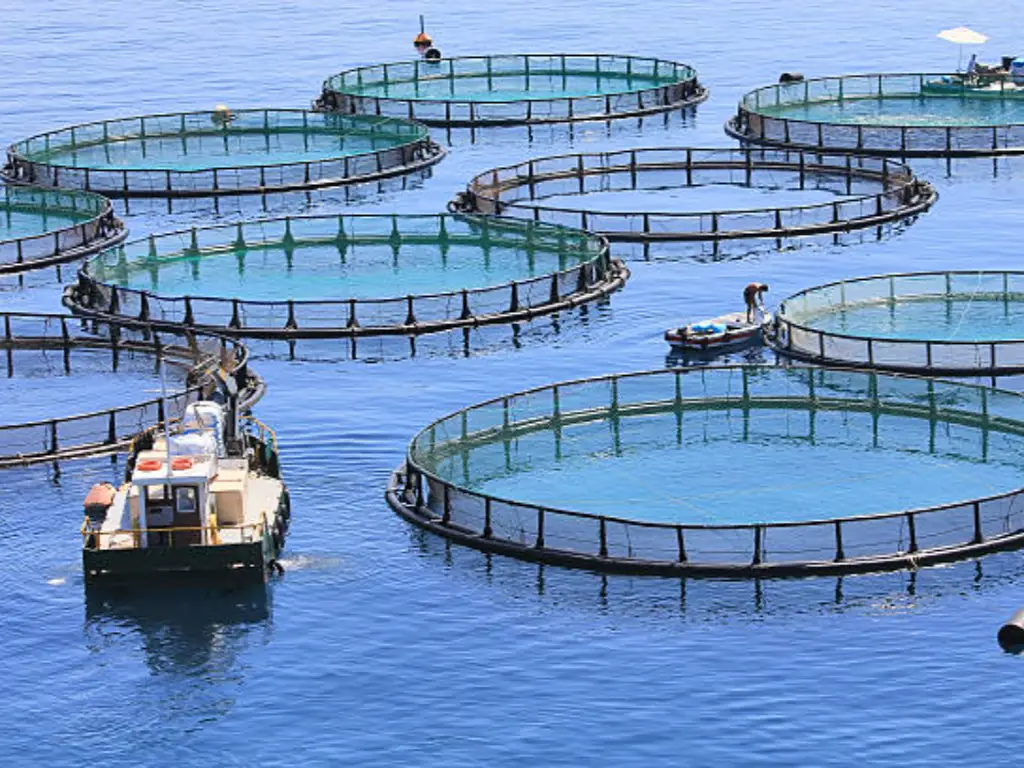
- Cage farming: Uses natural water bodies with controlled feeding
Equipment Requirements:
Your fish farm needs a core set of materials to function. Tanks or ponds form the foundation, sized according to your target species and production volume. A 1,000-gallon tank can support roughly 100 pounds of tilapia at harvest, though stocking density varies by species and system type.
Water quality equipment keeps fish alive. Aerators pump oxygen into the water, critical during hot weather when dissolved oxygen drops. Filtration equipment removes waste and maintains ammonia at safe levels. Most recirculating systems need both mechanical filters (to catch solid waste) and biological filters (to break down dissolved toxins). Pumps circulate water through these systems, with backup pumps essential since a single failure can kill your entire stock within hours.
Daily operations require testing kits for pH, ammonia, nitrite, and dissolved oxygen. Test at least once daily, more often during the first month after stocking. Nets in multiple sizes handle everything from sampling small fingerlings to harvesting market-size fish. Keep separate nets for different ponds to prevent disease spread.
Budget for replacement parts and spares. Aerator diaphragms wear out, pump seals fail, and nets tear. The materials needed for fish farm startups often cost 30 to 40 percent of total initial investment, though this drops significantly if you’re converting existing ponds rather than building from scratch.
- Ponds or tanks
- Aeration systems and pumps
- Filtration systems (mechanical and biological)
- Water quality testing equipment
- Feeding equipment
- Harvesting tools (nets, graders)
- Backup generators (critical for power outages)
Production Timeline:
Your fish farm won’t produce revenue on day one. Most tilapia operations need 90 to 120 days from stocking to first harvest, while catfish typically require 150 to 180 days. Map out your setup phase first: pond construction or tank installation, water system testing, and biosecurity protocols take anywhere from two to six months depending on scale. Your stocking schedule should account for market demand patterns. If local restaurants buy more fish during summer months, work backward from those peak periods to determine when fingerlings go into your system. Batch production works well for smaller operations, where you stock new fish every four to six weeks to create a continuous harvest cycle. Larger farms often use all-in, all-out systems that stock an entire pond at once, then harvest completely before restocking. Build buffer time into your production schedule for water quality issues, disease outbreaks, or slower than expected growth rates. A realistic timeline includes these setbacks rather than assuming perfect conditions.
- Stocking schedule and feeding rates
- Harvesting strategy
- Contingency plans for losses (oxygen depletion, disease, predators)
Risk Management Strategies
Fish farming presents several risks, such as disease outbreaks, water quality challenges, and volatile market prices. Diseases like Infectious Pancreatic Necrosis (IPN) can devastate entire stocks, while inadequate water conditions may hinder growth or increase mortality rates. Market prices fluctuate significantly, driven by factors like consumer demand and competition. Implementing biosecurity measures and disease prevention techniques can help mitigate these risks, ensuring a more stable and productive operation.
To mitigate these risks, implement a comprehensive biosecurity plan. Regularly monitor the health of your fish and enforce strict sanitation protocols to prevent disease outbreaks. Investing in high-quality water filtration systems is crucial for maintaining optimal water conditions, significantly reducing potential health issues. Diversifying your product offerings can also provide a buffer against market fluctuations. For instance, consider selling both live and processed fish to attract different consumer segments.
- Develop a contingency plan for disease outbreaks, including vaccination protocols.
- Regularly test water quality parameters and adjust feeding strategies accordingly.
- Establish relationships with multiple suppliers to secure feed and supplies, reducing dependency on a single source.
- Monitor market trends and adjust pricing strategies to maintain competitiveness.
Financial Projections
Startup costs for a fish farming operation can vary significantly based on scale and location. For a small to medium-sized farm, expect initial investments between $10,000 to $50,000. Here’s how that capital requirement typically breaks down: tanks or pond construction ($3,000 to $15,000), aeration and filtration systems ($2,000 to $8,000), fingerlings or juvenile fish ($1,000 to $3,000), and land leasing or purchase ($2,000 to $20,000 depending on your region). Operational costs run another $5,000 to $10,000 annually for feed, labor, and maintenance. Most new farmers piece together their startup capital from personal savings, agricultural loans through the USDA or local banks, and occasionally grants from state aquaculture programs. Understanding these funding sources early helps you match your initial investment breakdown to what lenders actually approve.
Startup funding for your fish farm can come from personal savings, bank loans, or equity investors interested in aquaculture operations. Many operators also pursue government grants and subsidies designed to support sustainable farming practices. For example, the USDA offers specific aquaculture grant programs, while some states provide low-interest loans for commercial fish farming operations. Angel investors and agricultural venture capital firms have also become more active in the aquaculture space, particularly for farms using recirculating aquaculture systems or other innovative technologies.
Projected revenue for fish farming depends heavily on species choice and market demand. Tilapia typically sells at competitive retail prices, and well-managed operations can achieve healthy profit margins. Actual prices and margins vary significantly by region, market conditions, and production costs. Careful forecasting will help you prepare for market fluctuations and ensure a more sustainable business model.
Financial Management & Budgeting
Your budget determines whether your fish farm survives its first year or joins the 60% that fail due to poor financial planning. Feed alone eats up 40-60% of your operating costs, which means a single miscalculation in feed pricing can wipe out your profit margin. I’ve seen farmers who nailed their production targets still go under because they didn’t account for seasonal price swings in fingerlings or underestimated electricity costs for aeration systems. Track every expense category separately: feed, fingerlings, labor, utilities, equipment maintenance, and water treatment. Build in a 15-20% buffer for the unexpected, because something always breaks at the worst possible time.
Cost control strategies can make or break a fish farm. Regularly reviewing supplier contracts for better rates or exploring alternative feed options can trim expenses. Implementing energy-efficient practices not only reduces costs but also enhances sustainability. For example, using solar-powered aeration systems can cut energy costs significantly over time.
Financial risks lurk around every corner, from fluctuating market prices to unexpected equipment failures. A robust risk management plan involves diversifying income streams and investing in insurance. Allocating 10% of your budget for emergencies can safeguard against unforeseen challenges, ensuring your farm remains resilient even during tough times.
Financial Management
Effective financial management in fish farming begins with precise budgeting. Start by assessing all initial expenses, such as setting up ponds, purchasing fingerlings, and feed costs. A well-structured budget should also anticipate ongoing operational costs and potential fluctuations in market prices. Consider allocating at least 10% of your budget for unforeseen expenses to avoid disruptions.
Cost control is equally critical. Regularly review and optimize expenses without compromising quality. For instance, negotiate bulk purchase discounts with suppliers or explore local alternatives for fish feed to trim costs. Implementing a robust tracking system can help identify and eliminate unnecessary expenditures, ensuring profitability.
- Diversifying fish species to mitigate price drops
- Insuring operations against natural disasters
- Setting aside a financial buffer for emergencies
Financial risk management is about being prepared for uncertainties. Diversifying fish species can protect against market volatility, while insuring your farm can safeguard against unexpected events like floods or disease outbreaks. Finally, maintaining a financial buffer ensures you can weather short-term losses without jeopardizing the business.
Technology and Innovation in Fish Farming
Technology is reshaping fish farming in extraordinary ways. Automated feeding systems now deliver precise amounts of feed at optimal times, boosting growth and reducing waste. These systems rely on sensors that monitor fish behavior and environmental conditions, allowing farms to adjust feed delivery with remarkable accuracy. As a result, labor costs drop while efficiency skyrockets. Some operations can now feed thousands of fish with just a few clicks, illustrating the cutting-edge technology in aquaculture. Recent advancements include AI in aquaculture, which analyzes vast amounts of data to optimize feeding schedules and enhance fish health. Additionally, blockchain for traceability ensures that every fish can be tracked from hatchery to market, bolstering consumer trust. The influence of technology on fish farming is profound, driving innovations that make operations smarter and more sustainable.
Water quality monitoring systems are another innovation making waves. These systems continuously track parameters like pH, temperature, and oxygen levels. Real-time data allows farmers to react quickly to any changes, preventing potential fish kills and ensuring a healthy environment for optimal growth. Such precision management not only safeguards fish stocks but also enhances overall productivity.
- Automated feeding systems reduce manual labor and waste.
- Sensors adjust feeding based on real-time data.
- Water quality monitoring tracks pH, temperature, and oxygen.
- Real-time alerts prevent environmental issues.
Sustainability Practices
Eco-friendly farming methods are crucial for achieving sustainability in fish farming. Integrated multi-trophic aquaculture (IMTA) enables farmers to grow various species together, creating a self-sustaining system. By recycling waste nutrients from fish, farmers can promote the growth of seaweeds and shellfish, fostering a balanced ecosystem that reduces environmental impact. Opting for eco-friendly feed options lessens reliance on wild fish stocks, which is a key aspect of sustainable aquaculture practices. Participating in certification processes can strengthen your commitment to these methods, attracting environmentally conscious consumers and expanding market access. This approach not only boosts productivity but also enhances water quality, benefiting both the business and the surrounding ecosystem.
Obtaining certifications like the Aquaculture Stewardship Council (ASC) or GlobalGAP can enhance your credibility and marketability. These certifications require adherence to strict environmental standards and promote responsible practices. For instance, ASC-certified farms must demonstrate low environmental impact, efficient resource use, and social responsibility, which can appeal to environmentally conscious consumers and open doors to new markets.
- Use of renewable energy sources like solar panels to power operations
- Implementing water recycling systems to reduce waste
- Conducting regular environmental impact assessments to ensure compliance with local regulations
Sustainability practices protect natural resources and cut costs at the same time. Feed made from fish processing waste, spent brewery grains, or food industry by-products can reduce your feed bill by 15-30% compared to conventional formulations while keeping waste out of landfills. Investors increasingly screen for environmental practices before committing capital, so documenting your water recirculation systems, waste management protocols, and energy efficiency measures in your business plan strengthens your funding pitch. You can also highlight partnerships with local processors who supply by-products, turning their disposal problem into your cost advantage.
4. Management & Staffing
Outline your organizational structure and team:
- Roles and responsibilities of key personnel
- Staffing requirements and qualifications
- Recruitment and training strategy
Fish farming demands daily monitoring (365 days a year) and skilled personnel with knowledge of water chemistry and disease management.
Marketing Strategy
Branding and positioning are crucial to standing out in the fish farming market. Your brand should reflect quality, sustainability, and freshness, appealing to health-conscious consumers. A memorable logo, catchy tagline, and a consistent color scheme can create a strong identity. Position your business as a local, eco-friendly alternative to mass-produced seafood, emphasizing environmental responsibility.
Online marketing tactics can significantly broaden your reach. Utilize social media platforms like Instagram and Facebook to showcase your farm, share stories about your fish, and engage with customers. Regular posts featuring high-quality images of your products can attract attention. Consider launching an email newsletter to keep customers informed about new products and promotions.
- Attend local farmers’ markets to sell your fish directly and build relationships with customers.
- Collaborate with local restaurants to feature your products on their menus, enhancing visibility.
- Invest in SEO for your website to appear in search results when potential customers look for fresh fish.
- Use Google Ads to target specific demographics interested in sustainable seafood.
Marketing Strategy
Effective marketing strategies are essential for attracting customers to your fish farming business. Begin by pinpointing your target market, which may include local restaurants, grocery stores, and even direct consumers. Use content marketing to showcase your fish by creating engaging blog posts or videos that highlight the benefits of your products. Offering samples is a powerful tactic; it not only allows potential buyers to experience the quality of your fish but can also pave the way for long-term contracts. Enhance your online presence with SEO tactics to improve your website’s visibility in search engines, making it easier for customers to find you. Additionally, maintain social media engagement by sharing updates on your farm, customer testimonials, and recipes that feature your fish, creating a community around your brand.
Digital marketing can significantly expand your reach. Create a professional website showcasing your products, farming practices, and sustainability efforts. Use Search Engine Optimization (SEO) techniques to rank higher in search results. Content marketing, like blogs focused on the health benefits of your fish, can also engage potential customers.
Social media platforms are invaluable for connecting with your audience. Share behind-the-scenes content, recipes, and customer testimonials on platforms like Instagram and Facebook. Regular updates can help build a community around your brand. Local outreach, such as participating in farmer’s markets and community events, can further establish your presence and foster loyalty.
Business Model & Strategy
Selecting the right business model for your fish farming venture is crucial for maximizing profitability. A direct-to-consumer approach can yield profit margins around 30%. By setting up a farm shop or participating in local markets, you foster personal connections with customers, which is vital for building loyalty. This strategy requires a detailed marketing plan that emphasizes digital tactics, particularly effective SEO and engaging content to enhance your online visibility. A proactive social media strategy can significantly contribute to brand growth and attract new customers. On the other hand, wholesale distribution to restaurants and grocery stores offers a more stable income stream, though profit margins tend to be lower, averaging about 15%. Each model comes with its own set of challenges, so it’s essential to assess your goals, available resources, and the competitive landscape. Partnering with local businesses can further boost customer engagement and help your operation stand out in a crowded market.
Identify your revenue streams early. Beyond selling fish, think about additional services or products that can enhance your income. For instance, you might consider offering fish farming equipment, providing consultancy services, or even organizing guided tours of your farm. Each of these revenue streams can help stabilize your business in the face of market fluctuations.
Scalability is another key factor. How will your farm adapt as demand grows? If you’re raising tilapia, for example, do you have the capacity to increase production without compromising quality? This might mean investing in larger tanks or more efficient feeding systems. Planning for scalability ensures you’re not caught off guard if your business takes off.
5. Financial Plan
Attracting investors and lenders relies on precise financial projections. This part of your business plan should clearly outline anticipated revenue streams, operating costs, and profit margins for the next three years. For example, if your market research indicates first-year revenue of $200,000, break this down by fish species and sales channels. Conducting a thorough break-even analysis will help you pinpoint when you’ll recoup your initial investment. Explore various funding options, such as aquaculture grants, potential loans, and private investments, and clearly state how much you intend to secure from each source. A detailed financial outlook not only builds your credibility but also strengthens relationships with investors, providing the essential backing for your fish farming enterprise. Financial forecasting goes beyond mere calculations; it establishes a solid foundation for sustainable growth.
Estimating startup costs in fish farming requires a detailed breakdown to ensure financial success. Begin by considering capital expenditures—these might include expenses like land purchase, construction of ponds or tanks, and equipment acquisition. For instance, setting up a medium-sized fish farm might require $50,000 to $100,000 just for infrastructure. Next, account for operational costs such as feed, labor, and utilities, which could run between $20,000 to $40,000 annually. Accurate financial projections are crucial; they help in understanding when the business might break even or generate profit. By carefully outlining these costs, you create a realistic financial roadmap for your farm.
Source: Based on estimates for mid-sized operations
Key Financial Documents:
- Income statements and balance sheets
- Cash flow statements (critical since production cycles can be 1-2 years before first harvest)
- Break-even analysis
- Loan repayment schedules
Production Costs by Species (Reference):
- Catfish (ponds): $0.90–$1.30 per pound
- Tilapia (ponds): $1.50–$3.00 per pound
- Shrimp (ponds): $2.50–$3.00 per pound
Financial Projections
Creating detailed financial projections for your fish farming operation is critical. For the first three years, break down expected revenue, costs, and profit margins by species. For example, if you plan to farm tilapia, you might anticipate revenues around $2.50 per pound. Given that a well-managed tilapia farm can yield 10,000 pounds per acre annually, your total revenue could reach $25,000 per acre.
Cost structures vary significantly by species. For instance, the initial investment for fingerlings, feed, and equipment can range from $10,000 to $15,000 for a small-scale operation. Operating costs, including feed and labor, can run approximately $1.50 per pound for tilapia. This results in a profit margin of roughly 40%, depending on market conditions.
For other species, like catfish, the financial outlook can differ. Catfish may yield lower per-pound revenue, around $1.50, but they often have a quicker turnaround time. Understanding these variances helps in crafting a realistic and tailored business plan.
Marketing & Sales Strategy
Marketing is the engine of your fish farming business. Begin by pinpointing your target audience—local restaurants, grocery stores, or farmers’ markets. Each segment has unique needs. Restaurants often prioritize fresh, sustainably sourced fish, while grocery chains focus on bulk supply and consistent quality. Tailor your messaging to resonate with these groups. For local eateries, emphasize your sustainable practices and the freshness of your catch. Grocery stores will value your reliability in delivering high-quality fish consistently. Implement SEO strategies to enhance your online presence; focus on keywords like “sustainable fish” and “local seafood” to improve search rankings. Create compelling blog content about fish farming to engage your audience and foster brand loyalty. Use email marketing to keep customers informed about new stock, promotions, and recipes. Social media engagement is crucial; share mouthwatering recipes and tips for sustainable seafood. Invest in targeted ads on Instagram and Facebook to broaden your reach. Building partnerships with local chefs and participating in community events can significantly boost your market presence and credibility. Understanding customer segmentation allows for a more refined strategy, helping you connect effectively with each group.
Digital marketing can significantly boost your visibility. Establish a strong online presence through an engaging website and active social media profiles. Consider running targeted ads on platforms like Facebook and Instagram, which can help you reach potential customers with precision. Regularly update your online followers with news about your farm, sustainability practices, or special promotions to keep them engaged.
Don’t overlook the power of local partnerships. Collaborate with local businesses such as restaurants or health food stores. A local seafood restaurant, for example, might be interested in featuring your fish as a fresh, sustainable option. These partnerships can open up new sales channels and increase your brand’s credibility. It’s about building relationships that benefit both parties.
Market Entry Strategies
Entering the fish farming market requires a strategic approach. Begin by conducting thorough market research to identify local demand for various fish species. For example, tilapia and catfish are popular in many regions due to their fast growth and marketability. Determine the competition in your area and analyze their pricing structures, product offerings, and customer base.
Barriers such as high initial investment and regulatory hurdles can pose challenges. For instance, securing permits for water use and waste management can be time-consuming and costly. To overcome these obstacles, consider starting on a smaller scale. This approach allows for manageable costs while you experiment with different species and farming techniques. Additionally, building relationships with local agricultural extension offices can help navigate the regulatory landscape.
- Conduct market research to understand demand and competition.
- Start small to minimize risks and costs.
- Build relationships with local regulatory bodies for guidance.
- Explore alternative financing options, such as grants or loans, to alleviate initial expenses.
Funding & Investment Strategy
Securing funding for your fish farming business requires a well-thought-out strategy. Start by identifying local government grants aimed at sustainable agriculture, which can offer substantial financial support. For example, states such as California and Florida provide grants between $5,000 and $50,000 specifically for aquaculture initiatives. Additionally, consider reaching out to angel investors who are passionate about aquaculture and sustainable food systems; establishing strong relationships with these individuals is vital. Crowdfunding platforms can also be a valuable resource, allowing you to showcase your business plan to a broader audience and attract small-scale investors. Attend industry conferences and networking events to present your ideas and connect with potential backers. Cultivating a diverse network can open doors to crucial funding opportunities necessary for launching and expanding your venture.
Outline clear investment opportunities to attract potential investors. Highlight projected returns based on market research and provide detailed financial forecasts. Clearly communicate your unique selling proposition and how your business stands out in the fish farming sector. This could include innovative farming techniques or a niche market focus.
- Research loan options from banks specializing in agricultural loans.
- Consider microfinance institutions for smaller-scale funding.
- Develop a repayment plan that aligns with your revenue projections.
- Ensure that any loan terms are flexible enough to accommodate the growth phases of your business.
6. Marketing & Sales Strategy
- Define your sales channels: wholesale distributors, restaurants, direct-to-consumer, or farm stands
- Pricing strategy based on market research
- Brand positioning and promotion tactics
Regulatory & Risk Management
Starting a fish farming business requires careful attention to a variety of legal obligations. First, pinpoint the exact permits and licenses your local authorities require. Typically, you’ll need aquaculture permits, water use licenses, and health regulations certifications. These requirements can vary widely depending on your location. For instance, in California, you must obtain a permit from the California Department of Fish and Wildlife, while in Florida, the Florida Fish and Wildlife Conservation Commission oversees aquaculture regulations. Failing to secure even one essential document can lead to costly delays and compliance issues. Connect with local regulatory agencies early in the permitting process to clarify environmental regulations. They can provide vital insights into compliance intricacies and help you avoid common missteps, setting a solid foundation for your business.
Environmental compliance is essential for sustainable fish farming. Your operation must meet local regulations regarding waste management, water quality standards, and biodiversity protection. For instance, the Clean Water Act in the U.S. specifies allowable discharges and mandates water treatment processes. Ignoring these requirements can result in significant fines and damage to your business’s reputation. Stay informed and proactive to ensure your farm operates within legal limits and contributes positively to the ecosystem.
Developing a solid risk management plan is non-negotiable. Identify potential threats such as disease outbreaks, equipment failure, or market fluctuations. Mitigation strategies might include regular health screenings for fish, backup power systems, and securing insurance policies. A well-thought-out plan can mean the difference between weathering a storm and going under.
7. Regulatory & Risk Management
Permits Required:
- Commercial aquaculture license (state-level)
- Water use permits
- Environmental permits for water discharge
- Food processing/handling licenses
Risk Management:
- Disease outbreak protocols
- Biosecurity measures
- Equipment failure contingency plans
- Market price fluctuation strategies
Risk Assessment & Mitigation
Fish farming can be fraught with challenges that threaten your operation’s viability. Effective disease management is non-negotiable; a sudden pathogen outbreak can wipe out your fish within days, leading to devastating financial losses. Market volatility compounds these issues—prices can swing wildly due to shifts in consumer demand or disruptions in global supply chains. Weather conditions also pose significant risks; for example, a sudden rise in water temperature can spell disaster for cold-water species like trout, resulting in severe mortality rates. To combat these risks, a comprehensive biosecurity plan is essential. Regular health checks can catch issues early, while temperature monitoring systems help you respond swiftly to environmental changes. Additionally, having insurance policies in place can provide a safety net against unexpected losses, ensuring your business remains resilient in the face of adversity.
Mitigation strategies should be tailored to each risk. For disease control, consider implementing a strict biosecurity plan. Regular water quality assessments and maintaining optimal stocking densities can help minimize disease spread. To guard against market volatility, diversifying your product line might cushion against price drops.
Insurance is another layer of protection. Policies might cover losses from natural disasters, equipment failure, or even disease outbreaks. While some insurers offer specialized aquaculture policies, always scrutinize the fine print to ensure comprehensive coverage. An annual review of your insurance needs, in line with changes in your operation, is a smart move.
Environmental Impact & Sustainability
Evaluate your fish farm’s environmental impact by conducting detailed environmental assessments. Start with a comprehensive site assessment to grasp the local ecosystem fully. This step is crucial to prevent disruptions to wildlife and water quality. For example, if your farm is adjacent to a river, routinely measure water flow and quality. Use this data to inform your waste management strategies and feed practices. Implement sustainable practices, such as using biodegradable feed and establishing buffer zones to protect nearby habitats. These actions not only minimize harm but also enhance the long-term viability of your operation.
Adopt sustainable practices to minimize harm. Use recirculating aquaculture systems (RAS) to recycle water and reduce waste. Choose feed that’s sustainably sourced and designed to minimize pollution. Integrating polyculture—raising multiple species in tandem—can enhance efficiency. Tilapia and catfish, for example, can coexist by utilizing different levels of the water column.
- Comply with local and national environmental regulations.
- Secure necessary permits for water use and discharge.
- Regularly report environmental data to relevant authorities.
Sustainability Practices
Sustainable practices in fish farming are vital for long-term success and environmental stewardship. One effective method is implementing integrated multi-trophic aquaculture (IMTA), where different species are farmed together. This approach allows waste from one species to provide nutrients for another, minimizing environmental impact. For example, raising fish alongside shellfish or seaweeds can create a balanced ecosystem that enhances productivity.
Using recirculating aquaculture systems (RAS) can further improve sustainability. These systems recycle water, reducing consumption by up to 90% compared to traditional methods. This technology helps maintain water quality and minimizes waste discharge, making fish farming more environmentally friendly.
- Aquaculture Stewardship Council (ASC) certification
- GlobalGAP certification
- Marine Stewardship Council (MSC) eco-label
- Best Aquaculture Practices (BAP) certification
Achieving certifications like ASC or GlobalGAP not only demonstrates commitment to sustainable practices but also enhances marketability. Eco-labels signal to consumers that your products meet high environmental and social standards, potentially commanding higher prices and increasing customer loyalty.
Sustainability Practices in Fish Farming
Sustainability in fish farming isn’t just a trend; it’s a necessity. Implementing practices such as integrated multi-trophic aquaculture (IMTA) can significantly enhance ecological balance. By cultivating multiple species together—like fish, shellfish, and aquatic plants—farmers can utilize waste from one species as nutrients for another. This symbiotic approach minimizes waste and maximizes productivity.
Eco-friendly feed is another critical component. Traditional fish feed often relies on wild-caught fish, which places immense pressure on marine ecosystems. Opting for feeds made from plant-based proteins, insect meals, or by-products from agriculture can reduce the environmental footprint. For example, using insect protein can cut feed conversion ratios by up to 30%, translating into less waste and more efficient growth.
- Implementing closed-loop systems to recycle water and nutrients
- Regularly monitoring water quality to prevent pollution
- Using renewable energy sources to power operations
- Educating staff on sustainable practices and their importance
Waste management strategies are equally crucial. Effective systems should include composting fish waste and using it as fertilizer for crops. This not only reduces the environmental impact but also creates additional revenue streams. By adopting these sustainable practices, fish farmers not only ensure regulatory compliance but also enhance their marketability to eco-conscious consumers.
Useful Tools & Resources
- Financial model templates: Customizable Excel models for pond, raceway, and oyster production help analyze profitability and cash flow
- Budget calculators: Available from extension services like Alabama Cooperative Extension
- Species-specific guides: Southern Regional Aquaculture Center (SRAC) provides detailed fact sheets
Species-Specific Farming Techniques
Tilapia and catfish each demand specific farming techniques that cater to their unique behaviors and habitat preferences. Tilapia flourish in warm, freshwater settings, requiring water temperatures between 25-30°C to optimize their breeding cycles. To promote rapid growth, farmers often use floating feed pellets that are high in protein. Harvesting typically occurs when tilapia reach weights of 500-600 grams, which usually takes about 6-7 months. Understanding these detailed farming techniques and growth conditions is crucial for successful tilapia production.
Catfish, on the other hand, are often raised in pond systems. These ponds should have a depth of 1.5 to 2 meters to support their bottom-dwelling nature. For breeding, catfish prefer secluded environments, so providing artificial spawning areas can increase yield. Feeding involves a mix of natural feed like small fish and formulated feed to achieve a balanced diet. Optimal harvesting size is around 1 to 1.5 kg, reached at 18-24 months, depending on conditions.
- Tilapia: Warm water, protein-rich floating pellets, harvest at 500-600g.
- Catfish: Pond systems, artificial spawning areas, harvest at 1-1.5kg.
Funding Sources and Financial Assistance
Securing funding for your fish farming venture is critical. Various options exist that cater specifically to aquaculture. For instance, the U.S. Department of Agriculture (USDA) offers loans and grants designed for farmers, including those in the fish farming industry. Programs like the Rural Development loan program can provide low-interest loans for operational costs and infrastructure.
State agricultural departments often have grants available for innovative practices in fish farming. For example, the National Oceanic and Atmospheric Administration (NOAA) provides funding for projects that promote sustainable aquaculture. These grants can cover research, development, and implementation costs.
- USDA loans and grants
- NOAA funding for sustainable projects
- Local agricultural development programs
- Private investment from venture capitalists interested in aquaculture
Networking with local aquaculture associations can also lead to investment opportunities. Investors are increasingly looking for sustainable practices in fish farming, and demonstrating a solid business plan can attract their attention. Engaging with local investment groups or crowdfunding platforms can also yield additional financial support.
Funding Sources
Securing funding is a critical step in establishing a successful fish farming operation. Various options exist, each with its own advantages and requirements. Traditional bank loans offer structured repayment plans, but often require collateral and a solid business plan. On the other hand, government grants can provide non-repayable funds, especially those aimed at sustainable aquaculture practices, such as the USDA’s Specialty Crop Block Grant Program.
Private investors, including venture capitalists and angel investors, may also be interested in funding innovative aquaculture projects. They often bring not just capital, but also valuable industry connections. Networking through aquaculture conferences or local business incubators can lead to potential partnerships.
- USDA grants for sustainable farming
- Small Business Administration (SBA) loans
- Aquaculture-specific funding programs
- Private equity and angel investments
Crowdfunding platforms like Kickstarter or GoFundMe have gained traction in recent years. These can be effective for raising smaller amounts of capital while simultaneously building a customer base. Consider launching a campaign that highlights your unique approach to fish farming, whether it’s organic practices or innovative fish feed solutions.
Business Plan Template
Creating a solid business plan can feel overwhelming, but a template simplifies the process. To help you get started, we’ve provided a downloadable fish farming business plan template. This template outlines essential sections that need to be filled out.
- Executive Summary: A snapshot of your business, goals, and strategies.
- Market Analysis: Research on your target market and competition.
- Operational Plan: Details on daily operations, location, and facilities.
- Financial Projections: Revenue forecasts, funding requirements, and break-even analysis.
- Marketing Strategy: How you plan to attract and retain customers.
Each section requires specific details that reflect your unique business model. For example, in the Financial Projections section, include realistic numbers based on your research. This template serves as a guiding framework, helping you articulate your vision and strategy clearly.
Business Model Overview
Fish farming can be approached through various business models, each catering to different market demands and operational capacities. For instance, extensive systems rely on natural water bodies, utilizing low-density stocking rates and minimal feeding. This model suits those focusing on sustainability, as it requires less input but offers lower yields. Conversely, intensive systems maximize space and resources, often employing advanced technologies and high-density stocking to achieve significant production volumes. These operations can yield thousands of pounds of fish per acre but come with increased risks and higher management costs.
Another viable model is the semi-intensive approach, which strikes a balance between extensive and intensive systems. It typically involves moderate stocking densities and supplemental feeding, offering a middle ground in terms of investment and output. The choice of model not only influences profitability but also impacts sustainability. An environmentally friendly model can enhance market appeal, particularly among consumers increasingly concerned about ethical sourcing. Thus, selecting the right business model is crucial for long-term success and ecological responsibility.
- Extensive systems: Low-density, natural feeding, sustainable but lower yields.
- Intensive systems: High-density, maximized production, higher costs and risks.
- Semi-intensive systems: Balanced approach, moderate yields, manageable costs.
Financial Projections
Financial projections form the backbone of any fish farming business plan. For a small-scale operation, say a 1,000-square-foot pond, initial investments might include $10,000 for setup, with projected yearly revenue of about $25,000 from selling tilapia. Contrast that with a medium-scale farm of 10,000 square feet, where setup costs could rise to $50,000, but revenues may reach $200,000 annually, thanks to increased production and economies of scale.
Realistic financial planning is crucial. Overly optimistic projections can lead to cash flow shortages, hampering growth. Factor in all expenses such as feed, labor, and equipment maintenance. For instance, if feed costs account for 30% of your total expenses, accurately estimating these figures ensures you aren’t blindsided later. A detailed financial forecast not only aids in securing loans but also sets a clear roadmap for profitability.
- Include startup costs: equipment, land, licenses
- Estimate ongoing operational costs: feed, labor, utilities
- Project income based on market prices and production rates
- Analyze break-even point to understand when profits begin
Sustainability Practices
Implementing sustainable practices in fish farming is not just an ethical choice; it’s a strategic business move. Techniques such as integrated multi-trophic aquaculture (IMTA) allow farmers to cultivate multiple species in a symbiotic environment. For instance, pairing fish with shellfish and seaweeds can enhance water quality and reduce feed costs. Additionally, using recirculating aquaculture systems (RAS) minimizes water usage and lowers environmental impact.
Consumers today are increasingly aware of environmental issues and often choose products based on sustainability credentials. A 2021 report revealed that 66% of global consumers are willing to pay more for sustainable brands. This trend highlights the importance of transparent practices—such as sourcing feed responsibly and adhering to ethical farming standards. By showcasing these efforts in marketing materials, fish farms can attract a broader customer base and foster brand loyalty.
- Utilize environmentally friendly feed alternatives.
- Implement water recycling systems to conserve resources.
- Regularly monitor and improve habitat quality.
- Certify your farm with recognized sustainability standards.
Funding Sources
Funding your fish farming venture requires a strategic approach. Grants from government programs or agricultural organizations can provide crucial startup capital without the need for repayment. For instance, the USDA offers various grants aimed at aquaculture projects, which can cover expenses like equipment and initial operating costs.
Loans are another viable option. Traditional banks or credit unions often have specific programs for agricultural businesses. A well-prepared business plan can significantly improve your chances of securing a loan. Look into the Small Business Administration (SBA) for guaranteed loan options with favorable terms.
Private investors can also be a source of funding. Approach individuals or groups interested in aquaculture, offering them equity in exchange for their investment. This route not only provides funding but may also bring valuable expertise to your business.
- Government grants from entities like the USDA
- Traditional loans from banks or credit unions
- SBA-backed loans for favorable terms
- Private investors seeking equity opportunities
Sustainability Practices
Incorporating sustainable practices into your fish farming business is not just a trend; it’s a necessity for long-term viability. Techniques such as integrated multi-trophic aquaculture (IMTA) allow for the cultivation of different species that complement each other. For example, growing shellfish alongside fish can help filter waste and improve water quality, creating a more balanced ecosystem.
Choosing eco-friendly species can significantly impact sustainability. Opt for fish like tilapia or catfish, which require lower feed conversion ratios and are less demanding on resources. Additionally, utilizing aquaponics combines fish farming with vegetable cultivation, maximizing space and resource efficiency.
- Implement water recycling systems to minimize waste.
- Use organic feeds whenever possible to reduce chemical runoff.
- Explore renewable energy sources, such as solar panels, to power operations.
Common Challenges
Fish farming is not without its hurdles. One major challenge is disease management. Fish are susceptible to various pathogens, which can decimate stocks if not addressed promptly. Regular health checks and maintaining optimal water quality can significantly reduce outbreaks.
Another common issue is fluctuating market prices. Fish prices can vary dramatically based on demand, season, and even local competition. To mitigate this risk, consider establishing contracts with local restaurants or markets. This ensures a steady income regardless of market volatility.
- Implement biosecurity measures to prevent disease spread.
- Develop relationships with reliable buyers to secure stable prices.
- Invest in training to improve farming techniques and fish health management.
Water quality management also poses challenges. High ammonia or low oxygen levels can stress fish, leading to poor growth rates. Regular testing and using aeration systems can help maintain a healthy environment.
Startup Costs and Financial Projections
Starting a fish farming operation necessitates a clear understanding of the initial investment required. This can range dramatically based on the scale of the operation. For a small-scale fish farm, expect to invest anywhere from $10,000 to $50,000. This includes costs for land, water rights, and basic infrastructure like tanks or ponds. Larger operations could see initial costs soar to $200,000 or more, especially if you’re incorporating advanced technology for water quality management or breeding.
- Land acquisition or lease fees
- Construction of fish tanks or ponds
- Water quality testing and management systems
- Purchase of juvenile fish or eggs
- Feed and nutrition supplies
- Labor costs for farm management and harvesting
- Insurance and permits for operation
Ongoing operational costs are another crucial factor in your business plan. These typically include feed, which can account for 40-60% of your total variable costs. Labor costs will vary based on the size of your operation and the number of employees needed. Regular maintenance of equipment and facilities also adds up. You should budget for water treatment and testing, along with any veterinary care for the fish. A detailed understanding of these costs will help you project your cash flow and profitability accurately.
Sustainability Practices
Incorporating eco-friendly practices is vital for a successful fish farming operation. Techniques such as integrated multi-trophic aquaculture (IMTA) can enhance sustainability. This method involves cultivating different species that complement each other, allowing for natural waste recycling and minimizing environmental impact. For example, farmed fish can be raised alongside seaweed and shellfish, creating a balanced ecosystem.
Certifications like the Marine Stewardship Council (MSC) and the Aquaculture Stewardship Council (ASC) can significantly enhance your marketability. These standards signal to consumers that your fish farming practices meet high environmental and social criteria. A recent study found that certified seafood can command prices up to 20% higher than non-certified products, making it a smart investment for your business.
- Utilizing renewable energy sources, such as solar panels, to power operations.
- Implementing water recycling systems to conserve resources.
- Reducing antibiotic use through better fish health management and biosecurity measures.
Risk Management Strategies
Fish farming presents various risks that can impact profitability and sustainability. Disease outbreaks, water quality fluctuations, and market volatility are just a few examples. For instance, a sudden drop in water temperature can lead to stress among fish, making them more susceptible to diseases like columnaris or ich. Similarly, feed prices can fluctuate dramatically, affecting your bottom line.
- Implement biosecurity measures to prevent disease outbreaks, such as regular health checks and quarantine protocols for new stock.
- Invest in water quality monitoring systems to track parameters like pH, oxygen levels, and ammonia concentrations.
- Diversify your fish species to spread risk; for example, raising both tilapia and catfish can provide a buffer against market shifts.
Market research is also essential. Understanding demand trends can help you decide which species to farm. For example, if demand for a particular fish species is declining, focusing on alternatives like shrimp or trout might be wise. By staying informed about market conditions, you can adjust your production strategies accordingly.
Startup Costs and Financial Considerations
Starting a fish farming business requires a significant initial investment. You’ll need to account for land acquisition, which can range from $1,000 to $10,000 per acre, depending on location. Infrastructure costs, including tanks, aeration systems, and water filtration, can add another $20,000 to $50,000. Don’t overlook the cost of fingerlings, which can be between $0.10 to $2 per fish, and feed, often the largest ongoing expense. A good rule of thumb is to budget around $2,000 to $5,000 for the first batch of fish.
After the initial setup, ongoing operational costs will include feed, labor, maintenance, and utilities. Feed costs can consume up to 50% of your total budget. To manage these expenses effectively, consider bulk purchasing and forming partnerships with local suppliers. Regular monitoring of water quality and fish health can prevent costly diseases and ensure optimal growth rates, ultimately safeguarding your investment. Utilize technology, such as automated feeders and monitoring systems, to streamline operations and reduce labor costs.
Sustainability Practices in Fish Farming
Sustainable practices are crucial in aquaculture, not just for environmental health but also for business viability. Adopting eco-friendly methods can boost your farm’s reputation and appeal to a growing demographic of conscientious consumers. For instance, integrated multi-trophic aquaculture (IMTA) combines different species to create a balanced ecosystem. This method utilizes waste from one species as feed for another, reducing feed costs and minimizing environmental impact.
Another effective technique is the use of recirculating aquaculture systems (RAS). These systems conserve water by recycling it and filtering out waste, which can decrease water consumption by up to 90%. This approach not only mitigates the strain on local water resources but also allows for year-round production in controlled environments.
- Utilizing renewable energy sources like solar or wind to power operations.
- Employing natural feed alternatives, such as insect meal, to reduce reliance on fishmeal.
- Implementing stringent biosecurity measures to minimize disease spread and chemical use.
Market Entry Strategies
Entering the fish farming market requires a strategic approach to ensure sustainability and profitability. Start by identifying local demand; research which fish species are popular in your area. For instance, tilapia and catfish have strong consumer bases in many regions. Tailoring your production to meet these preferences can boost initial sales.
Forming partnerships can significantly enhance your market entry strategy. Collaborating with local restaurants and grocery stores can create a direct distribution channel for your fish. Consider establishing agreements that allow these businesses to feature your products prominently, potentially even offering them exclusive supply rights.
- Attend local farmers’ markets to showcase your fish and connect with consumers directly.
- Utilize social media to create buzz around your brand and attract customers.
- Engage with local fishery associations for networking and support.
Distribution channels are critical. Direct-to-consumer sales can provide higher margins, while wholesaling to local markets can lead to volume sales. Assess the logistics involved in both options; ensure you have a reliable method for transporting live fish or processed products. Streamlined logistics can make or break your market entry.
Financial Projections
Financial projections are the backbone of your fish farming business plan. Start by outlining expected revenue based on your production capacity. For example, if you plan to raise 10,000 fish at an average market price of $5 each, your gross revenue could be projected at $50,000. However, expenses will also climb; feed, utilities, and labor could total around $30,000 annually, depending on your operational scale.
A break-even analysis is essential. Calculate the point at which your income matches your expenses. If your total fixed costs are $20,000 and your contribution margin per fish sold is $3, you would need to sell approximately 6,667 fish just to cover costs.
Consider your funding sources. Many fish farmers turn to local banks for loans, while others may seek grants from agricultural agencies or partnerships with investors interested in aquaculture. Crowdfunding platforms can also provide a unique opportunity to tap into community support while raising capital.
Sustainability Practices
Eco-friendly farming methods are critical for a successful fish farming business. Techniques such as integrated multi-trophic aquaculture (IMTA) allow for the cultivation of multiple species that can benefit from each other, reducing waste and improving overall farm health. For example, combining fish farming with seaweed cultivation can help absorb excess nutrients, leading to a more balanced ecosystem.
Certifications such as the Marine Stewardship Council (MSC) and the Aquaculture Stewardship Council (ASC) can greatly enhance your marketability. These labels signal to consumers that your practices meet rigorous sustainability standards. Achieving such certifications can also open doors to premium markets, where consumers are willing to pay more for ethically sourced products.
Sustainability is no longer just a buzzword; it’s a decisive factor in consumer choices. A Nielsen study showed that 66% of global consumers are willing to pay more for sustainable brands. This trend is particularly strong among younger generations, who prioritize environmental impact. Integrating sustainable practices into your business model not only meets market demand but also builds a positive brand image.
Funding Sources
Funding your fish farming venture requires a strategic approach. Start by exploring grants specifically aimed at aquaculture projects. Organizations such as the USDA offer programs that can cover a significant portion of your startup costs, often up to 50%. These grants are highly competitive but can provide non-repayable funds, reducing your financial burden.
Loans are another viable option. Traditional banks and credit unions may offer agricultural loans tailored for fish farming. Interest rates can vary, but you might find loans with rates as low as 3% for well-prepared business plans. Additionally, the Small Business Administration (SBA) provides loan guarantees that can help you secure funding with favorable terms.
Private investment can also play a crucial role in your financing strategy. Angel investors and venture capitalists are increasingly interested in sustainable aquaculture due to its growth potential. Presenting a solid business plan that outlines projected returns can attract the right investors, allowing you to scale your operations more quickly.
- Grants from organizations like the USDA
- Agricultural loans from banks and credit unions
- SBA loan guarantees
- Private investments from angel investors and venture capitalists
Market Research Techniques
Identifying your target market is critical for a successful fish farming venture. Start with surveys and interviews. Reach out to local fish markets, restaurants, and consumers to gather insights on preferences. Online questionnaires can yield valuable data quickly. Tools like Google Forms or SurveyMonkey can help streamline this process.
Utilizing secondary research is another effective method. Websites like Statista and the USDA provide statistics on fish consumption trends, pricing, and market demand. These resources can give you a clearer picture of your competition and potential pricing strategies.
- Social media platforms for consumer insights
- Google Trends for tracking interest over time
- Industry reports from organizations like the Food and Agriculture Organization (FAO)
Networking with industry professionals through forums or local aquaculture associations can also provide firsthand market knowledge. Events and trade shows are excellent opportunities to gather real-time feedback and understand market dynamics.
Financial Projections
Financial projections are a critical component of any fish farming business plan. Start by outlining your expected revenue streams, which may include the sale of live fish, processed fish products, and by-products like fish feed or manure. For instance, if you plan to sell tilapia, the average price per kilogram can range from $2 to $4, depending on your market. If you project selling 10,000 kilograms in your first year, that’s a potential revenue of $20,000 to $40,000.
Operating costs will significantly impact your bottom line. Estimate expenses such as feed, equipment, labor, and utilities. For example, feed costs can account for 40% to 60% of your total operational expenses. Conducting a break-even analysis will help you determine how many fish you need to sell to cover these costs. If your total fixed costs are $30,000 and the contribution margin per kilogram of fish sold is $3, you’ll need to sell 10,000 kilograms to break even.
Funding options also require careful consideration. You might explore bank loans, grants specifically for aquaculture, or even crowdfunding. Each option has its pros and cons, so assess which aligns best with your financial strategy and risk tolerance.
Market Analysis
Understanding your competition is critical in fish farming. Identify local farms, their production capacity, and their product offerings. For instance, if a nearby farm specializes in organic tilapia, you might consider focusing on a different species or a unique selling proposition, such as superior quality or sustainability practices. Analyze their pricing structures as well; if they sell tilapia at $4.00 per pound, assess whether you can compete or if you should target a premium market.
Market segmentation is equally vital. Categorize potential customers into specific groups, such as restaurants, grocery stores, and direct consumers. Each segment has distinct needs. Restaurants may prioritize freshness and sustainability, while grocery stores might focus on price and volume. Target demographics can include health-conscious consumers seeking omega-3-rich fish or families looking for affordable protein sources. Tailoring your marketing strategy to these demographics can significantly enhance your outreach and sales.
Business Model
Fish farming can take several business model forms, each with unique attributes and challenges. One common approach is direct-to-consumer sales, where farmers sell their fish directly at farmers’ markets, through community-supported agriculture (CSA) programs, or via online platforms. This model allows for higher profit margins, as it eliminates middlemen. For instance, selling a pound of fresh trout directly might yield $8, while the wholesale price could be only $4.
On the other hand, wholesale distribution offers a more stable income stream but often at lower prices. Selling to restaurants or grocery stores can secure bulk contracts, providing predictable revenue. However, it requires consistency in supply and quality. For example, if you establish a contract with a local grocery chain, you might need to ensure a steady supply of fish year-round.
- Direct-to-consumer: Higher profit margins, more control over branding.
- Direct-to-consumer: Requires more marketing effort and customer engagement.
- Wholesale: Stable income through bulk contracts.
- Wholesale: Lower profit margins and dependence on middlemen.